
Guide · 2026-08-30 · 5 min read
The 10-Minute Arizona Garage Door Maintenance Checklist
Almost every summer breakdown we see announced itself for months — a new noise, a slower door, a slam at the bottom. Ten minutes of attention twice a year catches most of it while it's still cheap. Here's the homeowner's half of the job, and the half that belongs to a professional.
The look-and-listen pass
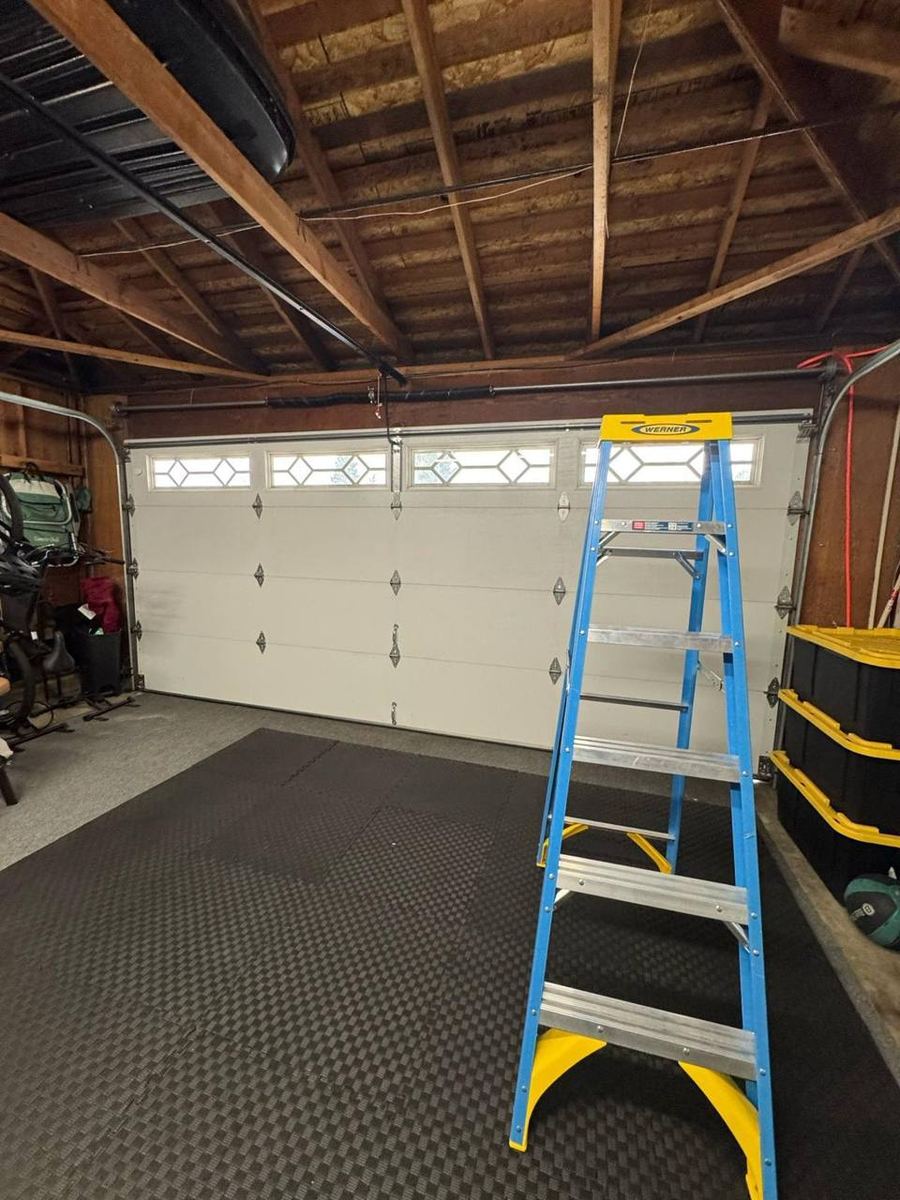
With the door closed, look over the hardware you can see: cables (any fraying or rust near the bottom brackets means stop using the door and call — that's the one component that gives a warning before it fails), rollers (cracked or wobbly wheels), hinges (loose bolts), and the bottom seal (Arizona sun turns it brittle; daylight showing through means it's done).
Then run the door and listen. Grinding usually means worn rollers, squealing means dry hinges and springs, rattling means loose hardware, and a bang at the bottom means the balance is off. A healthy door is surprisingly quiet.
The balance test — the one test that matters most
With the door closed, pull the red release cord to disconnect the opener. Lift the door by hand to about waist height and let go. A balanced door stays put, or drifts an inch and stops. A door that slams down or flies up has a spring problem — and every day it runs unbalanced, it grinds down the opener that's compensating. Reconnect the opener afterwards by running it through one cycle.
While you're at it, test the safety reverse: lay a roll of paper towels flat under the door and close it. The door must reverse the moment it touches. Then wave a broom through the sensor beam while closing — it should reverse instantly. If either test fails, fix it before anything else; these are the systems that protect kids and pets.
Lubricate — the right things, the right stuff
Twice a year, apply a garage-door-specific lithium or silicone spray (not WD-40, which is a solvent, and never grease on the tracks) to: the spring coils, the roller bearings, the hinge pivots, and the opener's rail or screw as its manual directs. Wipe the tracks clean and dry with a rag — tracks are guides, not bearings, and lubricant there only collects Arizona grit.
The dry desert air strips lubrication faster than most climates, which is why the twice-a-year cadence matters more here — once before summer, once after monsoon season is a good rhythm.
What belongs to a professional
Anything touching the springs, cables, drums or bottom brackets is professional territory — those parts are under load, and they're the source of nearly all garage door injuries. The professional annual tune-up covers what the checklist can't: measuring and correcting spring tension, checking cable seating on the drums, calibrating opener force and travel, and catching the wear patterns that predict the next failure. Think of the checklist as the monitoring and the tune-up as the treatment.
Need it handled instead? This is exactly what our maintenance & tune-ups covers — same-day across the Valley with a free on-site estimate and the price agreed upfront. We serve Tempe · Glendale · Queen Creek and 30+ more communities.
Quick answers
How often should I do this?
Twice a year for the homeowner checklist — before summer and after monsoon season — plus one professional tune-up annually. Doors on dusty desert edges or with heavy daily use benefit from a second look.
What lubricant should I use?
A garage-door-rated lithium or silicone spray from any hardware store. Avoid WD-40 (it strips lubricant rather than adding it) and never grease the tracks.
The balance test failed — the door slams down. How urgent?
Soon, not someday. An unbalanced door is hard on every other component, especially the opener, and the underlying spring issue only moves in one direction. It's a quick professional adjustment or replacement.
From the workshop
Keep reading
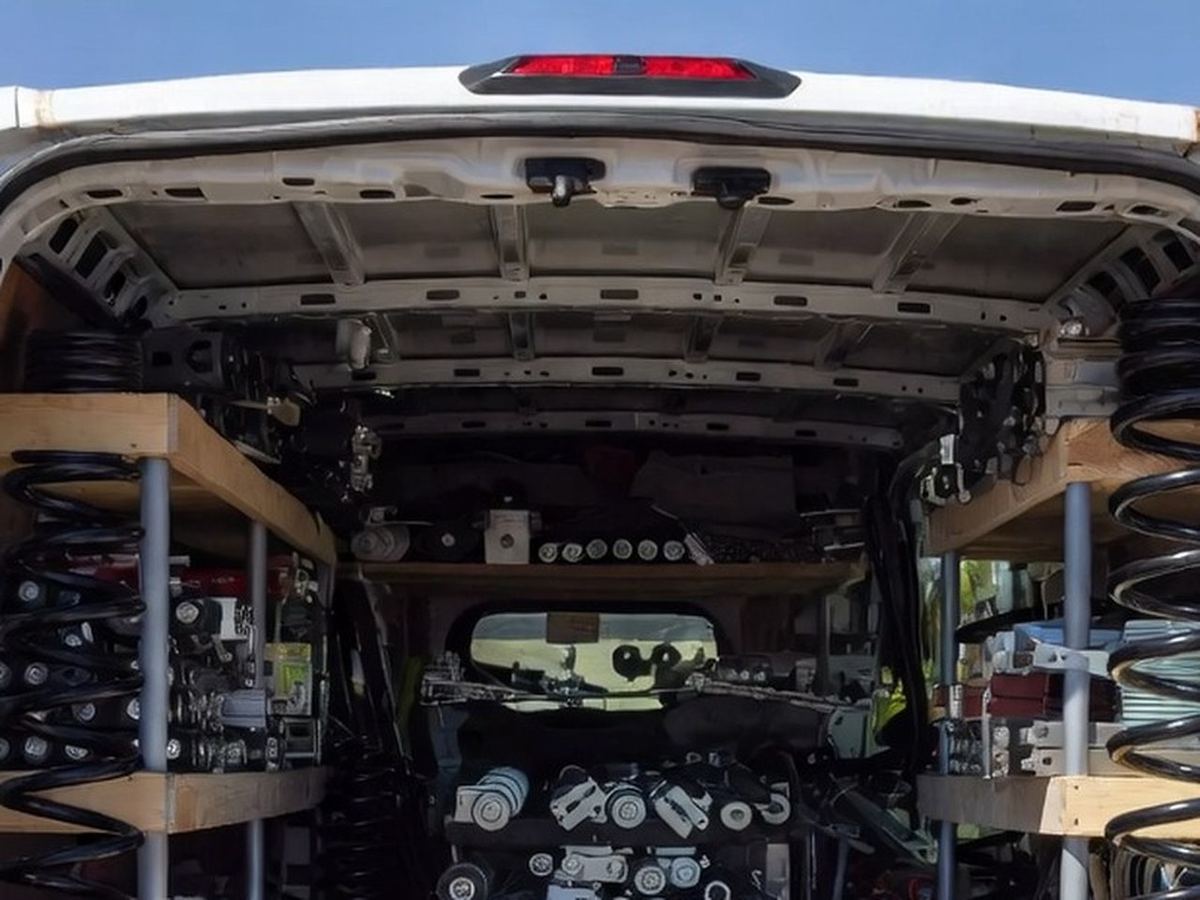
Why Is My Garage Door So Loud? Every Noise, Decoded
Grinding, squealing, rattling, banging — each garage door noise points to a specific cause. A diagnosis guide for Arizona's dried-out, dust-worn doors.
Read the guide →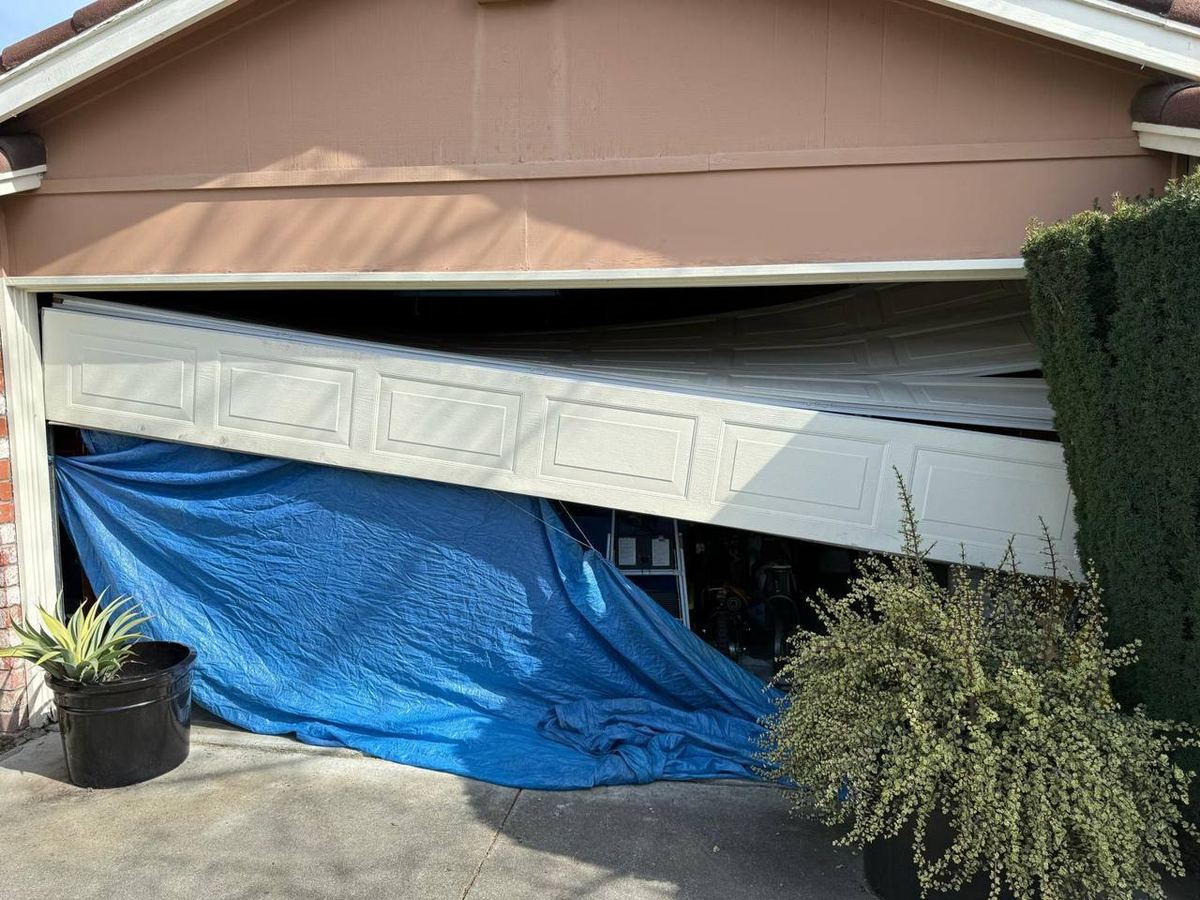
Monsoon Season and Your Garage Door: What Wind and Dust Actually Do
Phoenix monsoon storms knock doors off-track, jam sensors with dust and flex panels in the wind. What to check after a storm, and how to harden your door before the next one.
Read the guide →
Get it fixed today
Garage door trouble? Call us today.
Call now for same-day service and a free on-site estimate, or leave your details and we'll call you back.
- Emergency dispatch, 6am–10pm daily
- Upfront price before work starts
- Parts on every truck