
Guide · 2026-08-30 · 5 min read
Why Is My Garage Door So Loud? Every Noise, Decoded
A garage door in good order is quiet — a low hum and a soft landing. Every noise beyond that is information. Arizona doors get loud faster than most because dry air strips lubricant and dust grinds in the tracks, but the noises themselves are wonderfully specific about what's wrong. Here's the decoder.
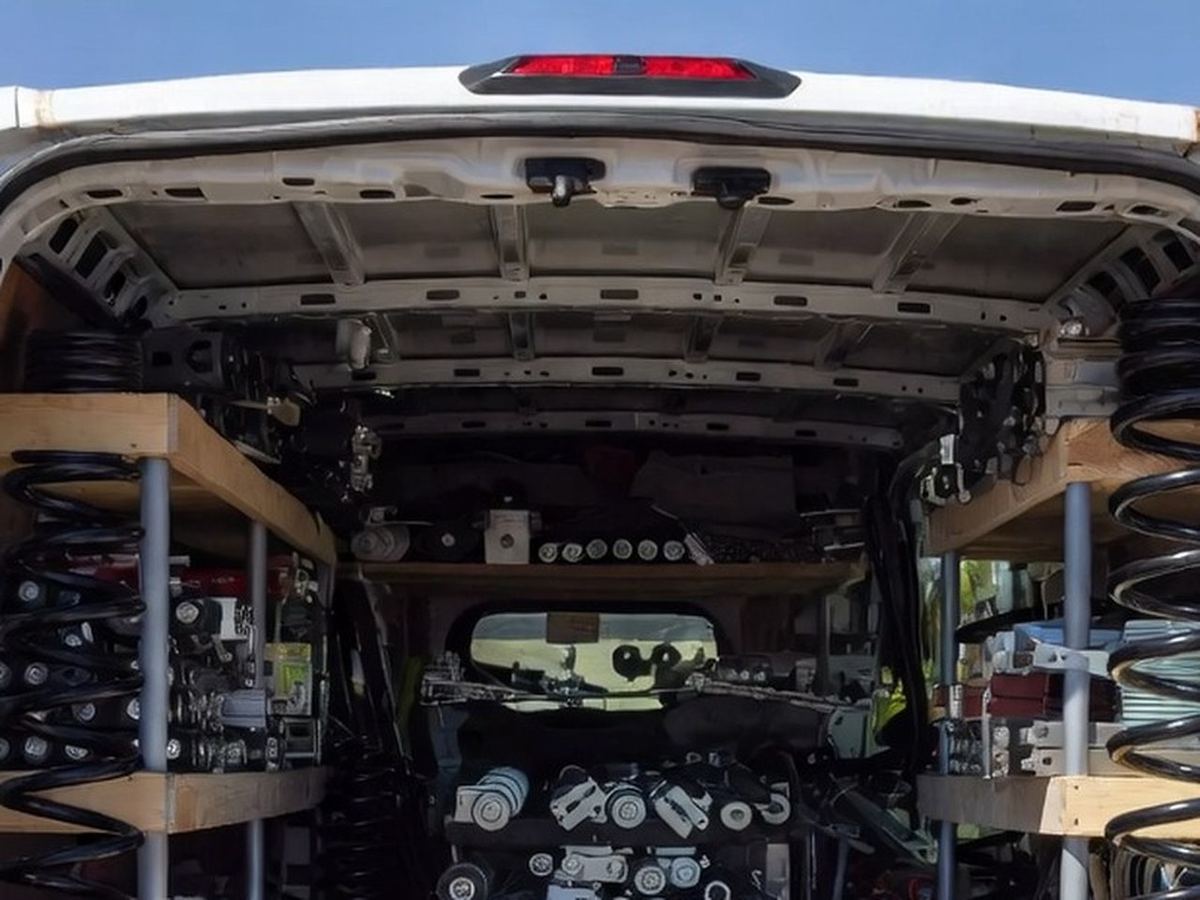
Grinding or rumbling: the rollers
A gravelly grind that tracks the door's movement is almost always worn rollers — the little wheels riding in the tracks. Builder-grade steel rollers wear flat spots and their bearings fill with monsoon grit; each cycle then grinds metal on metal. The fix is one of the most satisfying in the trade: a full set of nylon rollers with sealed bearings transforms a rumbling door into a nearly silent one in a single visit.
Squealing or screeching: dry metal
High-pitched squeal on the way up or down is metal begging for lubricant — hinges pivoting dry, springs coiling dry, rollers spinning dry. In this climate it happens fast. A proper lubrication pass with garage-door-rated spray (springs, hinges, roller bearings — never the tracks) usually silences it the same day. If squealing returns within weeks, something is wearing rather than just dry, and it's worth a professional look.
Rattling and vibration: loose hardware
Hundreds of cycles vibrate bolts loose — track brackets, hinge screws, the opener's rail mounts. A rattling door shakes itself looser with every run, so this one compounds. A tune-up includes snugging every fastener; between visits, if you can see a bolt visibly moving as the door runs, that's your culprit. Chain-drive openers also rattle by nature; if the noise bothers rooms above the garage, a belt-drive conversion is the real cure.
Banging, popping and slamming: the serious ones
A single loud bang from the garage when nobody was using the door is the classic sound of a spring breaking — check our spring guide before touching anything. A pop or jerk at the same spot every cycle suggests a bent track section or a damaged roller catching. And a door that slams the last foot down has lost its counterbalance — stretched or failing springs letting the full weight arrive at the floor unchecked. That last one wears out the opener fast and deserves prompt attention.
The general rule: noises that appear gradually are maintenance; noises that appear suddenly are failures. Sudden ones earn a same-day call.
Need it handled instead? This is exactly what our garage door repair covers — same-day across the Valley with a free on-site estimate and the price agreed upfront. We serve Gilbert · Peoria · Maricopa and 30+ more communities.
Quick answers
Can I just spray WD-40 on everything?
Please don't — WD-40 is a penetrating solvent, not a lubricant, and it strips what little lubrication is left. Use a garage-door-rated lithium or silicone spray, and keep everything off the tracks.
The noise is worst early in the morning. Why?
Cool overnight temperatures thicken old lubricant and contract metal parts, so a marginal door is at its loudest first thing. It's the door's way of telling you a lube-and-tune is due.
Is a noisy door dangerous or just annoying?
Mostly it's early warning. But sudden bangs, doors that slam, and pops at a consistent spot are mechanical problems in progress — those are worth treating as more than annoyance.
From the workshop
Keep reading
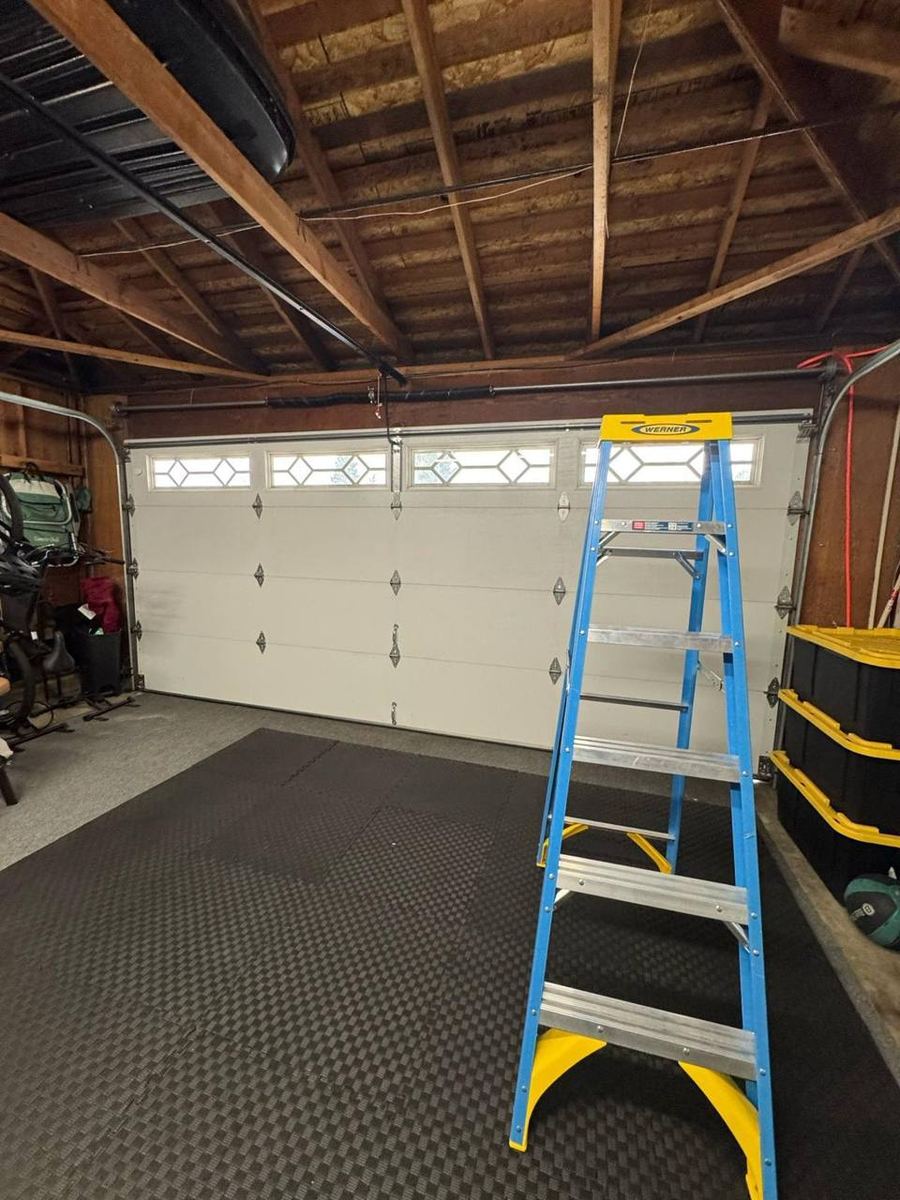
The 10-Minute Arizona Garage Door Maintenance Checklist
A simple twice-a-year checklist that keeps an Arizona garage door alive: what to look at, listen for and lubricate — and the jobs you should never do yourself.
Read the guide →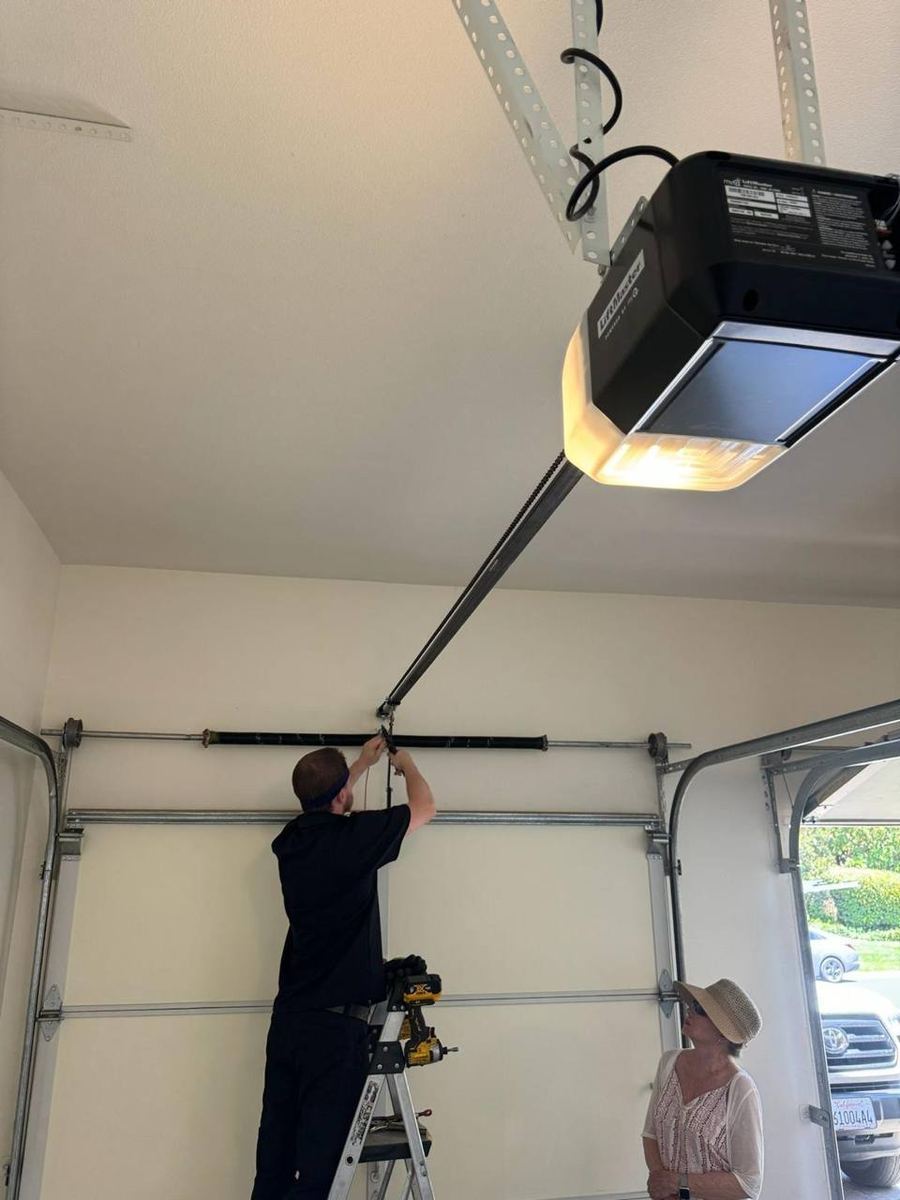
Choosing a Garage Door Opener in Arizona: Chain vs Belt vs Wall-Mount
Belt or chain drive? Battery backup? Smart features? A practical guide to choosing a garage door opener that survives Phoenix heat and monsoon season.
Read the guide →
Get it fixed today
Garage door trouble? Call us today.
Call now for same-day service and a free on-site estimate, or leave your details and we'll call you back.
- Emergency dispatch, 6am–10pm daily
- Upfront price before work starts
- Parts on every truck